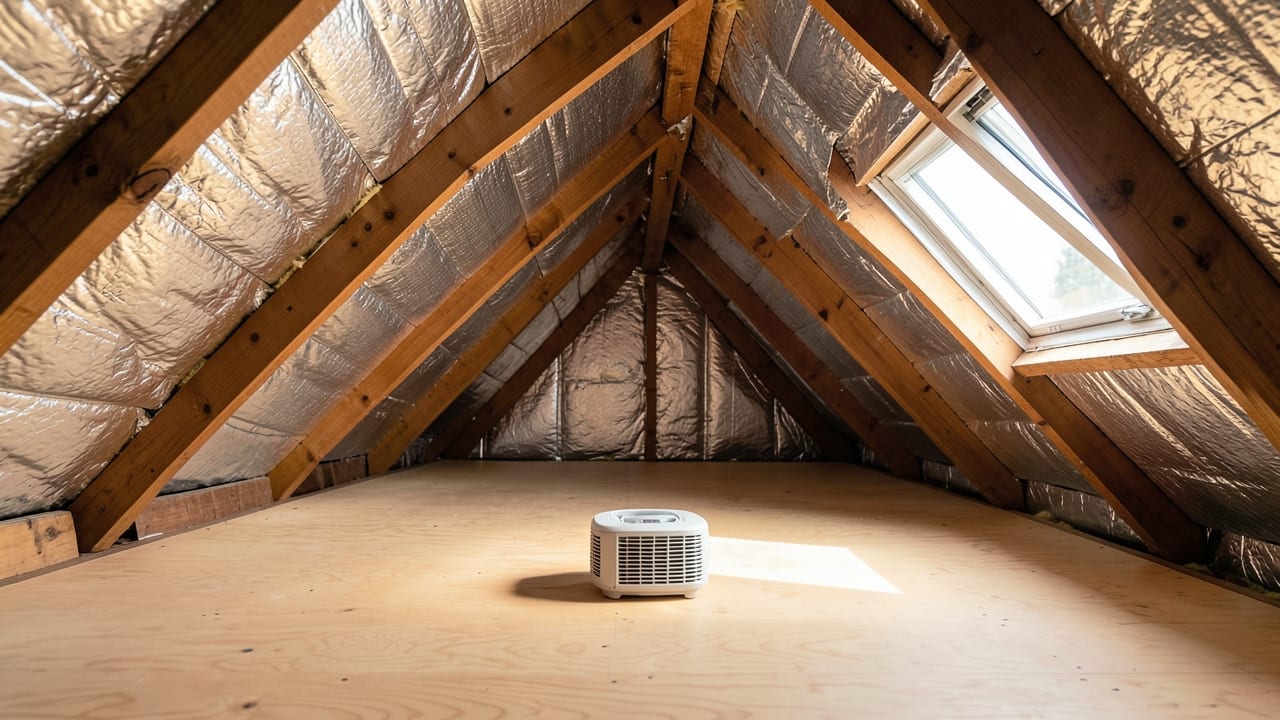
Pre-Winter Mold Prevention
Pre-winter mold prevention involves inspection and treatment to stop mold growth before cold weather.
As Coconut Creek’s humid season transitions into cooler months, pre-winter mold prevention helps protect your home from hidden moisture buildup in attics, basements, and crawl spaces. Targeted sealing, ventilation improvements, and surface treatments reduce the risk of mold growth before temperatures drop, when damp conditions linger longer.
This service focuses on addressing moisture sources and vulnerable areas before they become larger, costlier issues.
We also handle School Mold Remediation and Hospital Mold Removal for Coconut Creek properties.
When to act: signs you need pre-winter mold prevention
Mold growth often starts small but spreads quickly in Florida’s damp climate. If you notice mold covering more than a few square feet, recurring in the same spot after cleaning, or smell a musty odor with no visible source, these are clear signals to act.
Hidden growth—behind walls, under flooring, or inside HVAC ducts—can also go unnoticed until it becomes widespread.
Poor airflow in windowless rooms, persistent dampness in closets or basements, or outdoor issues like downspouts draining near your foundation can all contribute to moisture problems. Addressing these before winter ensures your home stays dry and mold-free during the cooler, more humid months.
Key Warning Signs in Your Home
- Mold covering more than 25 contiguous square feet (a common threshold for professional intervention).
- Recurring mold growth in the same spot after cleaning, indicating an unresolved moisture source.
- A musty smell with no visible mold, suggesting hidden growth behind walls, under flooring, or in ductwork.
- Persistent dampness in areas with poor airflow, like closets, windowless bathrooms, or basements.
- Outdoor moisture issues, such as soil sloping toward your foundation or downspouts draining too close to the house.
What affects cost and timing?
The scope of pre-winter mold prevention varies depending on the size of the affected area, the severity of moisture intrusion, and whether hidden growth is discovered during the process.
Containment, removal of porous materials, and structural drying all contribute to the total cost, as does the need for independent clearance testing to confirm the work is complete.
Florida law also requires that mold assessment and remediation be handled by separate licensed professionals within a 12-month period, which can influence timing if additional testing is needed before treatment begins.
Why Florida’s rules matter for your home
Florida’s strict licensing requirements for mold work are designed to protect homeowners from conflicts of interest and ensure thorough, professional service. Under Florida Statute Chapter 468, Part XVI, the same company cannot perform both the mold assessment and remediation on your property within a year.
This separation helps ensure unbiased identification of the problem before treatment begins.
Additionally, independent clearance testing after remediation is critical to verify that spore levels are back to normal. Skipping this step leaves no confirmation that the issue has been fully resolved, which can lead to recurring problems.
Never agree to a verbal price without a written, itemized scope of work—this protects you from unexpected costs. Similarly, be cautious of quotes that exclude containment, clearance testing, or post-remediation verification, as these steps are essential for a thorough job.
How pre-winter mold prevention works
This service combines containment, removal, and moisture control to address existing growth and prevent future issues.
- 1Containment
Plastic sheeting and negative-air machines seal off the work area to prevent airborne spores from spreading to unaffected parts of your home during removal.
- 2Removal of Contaminated Materials
Porous materials like drywall, insulation, or carpet padding that have absorbed mold are cut out and bagged within containment, while non-porous surfaces are scrubbed and treated.
- 3Structural Drying
Industrial dehumidifiers and air movers reduce moisture levels in framing and subfloors to prevent regrowth, ensuring materials are fully dry before the area is closed up.
- 4HEPA Filtration and Cleanup
HEPA-filtered air scrubbers and vacuums capture spores during the process, and surfaces are thoroughly cleaned to minimize lingering contamination.
- 5Clearance Testing
An independent lab conducts air or surface sampling to confirm spore counts are back to normal levels before containment is removed and the area is considered finished.
Frequently asked questions
How do I know if my mold issue is serious enough to require professional help?
If mold covers more than a small, isolated patch (typically over 25 square feet), keeps returning after cleaning, or you notice a musty smell with no visible source, these are signs it’s time to call a professional. Hidden growth or recurring issues often indicate deeper moisture problems that require expert intervention.
Will pre-winter prevention stop mold from coming back?
This service targets existing growth and reduces future risks by sealing leaks, improving ventilation, and addressing moisture sources. However, results depend on fixing the underlying cause—such as leaks, poor airflow, or outdoor drainage issues—to prevent regrowth.
Do I need to be home during the mold remediation process?
You typically won’t need to be present, but it’s best to coordinate with the crew to ensure access to affected areas. Containment keeps spores from spreading, so disruption to your household is minimal, though some dust or noise may occur during removal.
How long does the entire process take from start to finish?
Timing varies based on the size of the affected area and whether hidden growth is discovered. Containment, removal, drying, and clearance testing can take anywhere from a few days to over a week, depending on the scope and conditions found during the job.
Where Coconut Creek sits, and what the Census lists nearby
Coconut Creek sits in Florida, and the closest places listed in the U.S. Census Gazetteer are Margate (2.8 miles southwest), Hillsboro Pines (3.1 miles north), Pompano Beach (4.2 miles southeast), Watergate (4.2 miles northwest).
Within 25 miles of Coconut Creek the same source lists 63 distinct incorporated places and census-designated places.
Those figures matter for pre-winter mold prevention because they are straight-line distances between Census coordinate points: road mileage between Coconut Creek and Margate runs longer than the 2.8 miles shown, which is why quotes for the same job differ between towns that look close together on a map.
Source: U.S. Census Bureau Gazetteer.
See Sea Ranch Lakes, FL for more, or take a look at what we cover for Coconut Creek properties on a single page for our complete lineup.
Ready to get started?
Talk to a local mold remediation pro in Coconut Creek — get a written quote.
Other Mold Remediation Services in Coconut Creek
School Mold Remediation in Coconut Creek, FL
Professional mold removal and remediation in schools to ensure a safe, healthy environment.
Learn More
Hospital Mold Removal in Coconut Creek, FL
Professional assessment and removal of mold in hospitals to ensure a safe, healthy environment.
Learn More
Fire Smoke Mold Remediation in Coconut Creek, FL
Professional cleanup and restoration of fire, smoke, and mold damage in homes.
Learn More
Pet Urine Mold Treatment in Coconut Creek, FL
Professional removal of mold caused by pet urine in homes, including assessment and treatment.
Learn More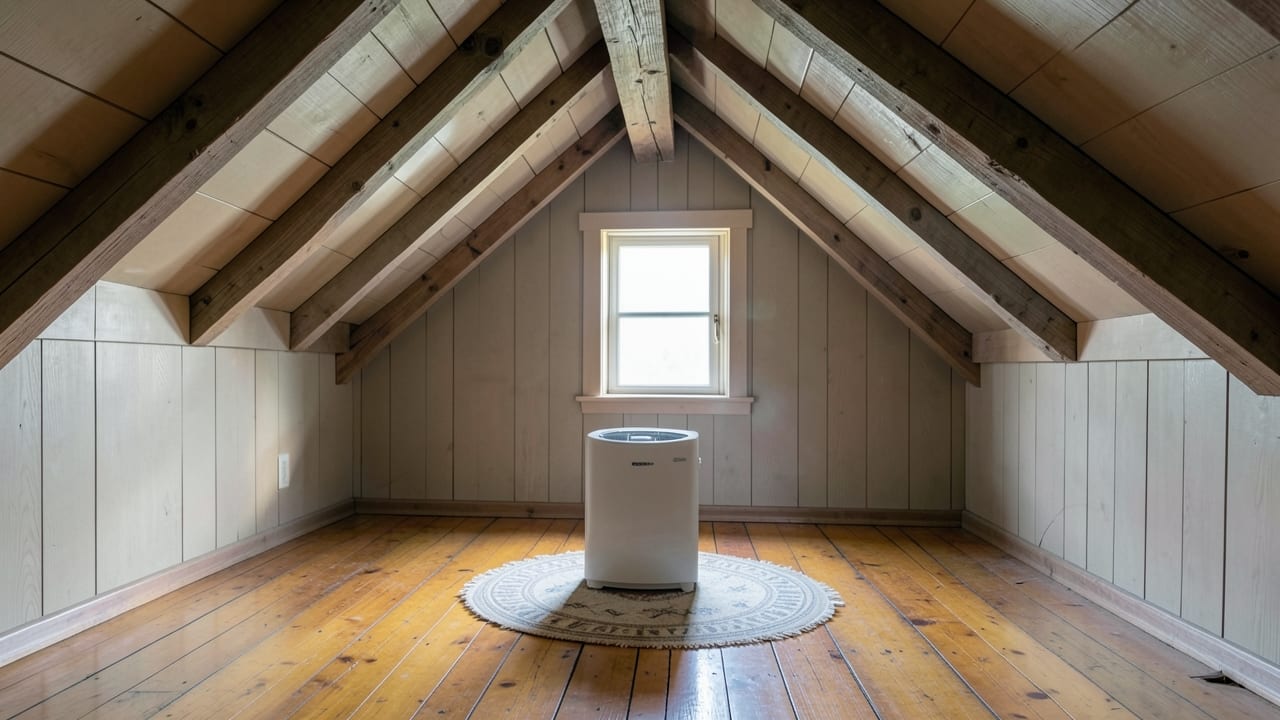
Salt Air Mold Remediation in Coconut Creek, FL
Professional mold assessment, containment, removal, and prevention in affected areas of the home.
Learn More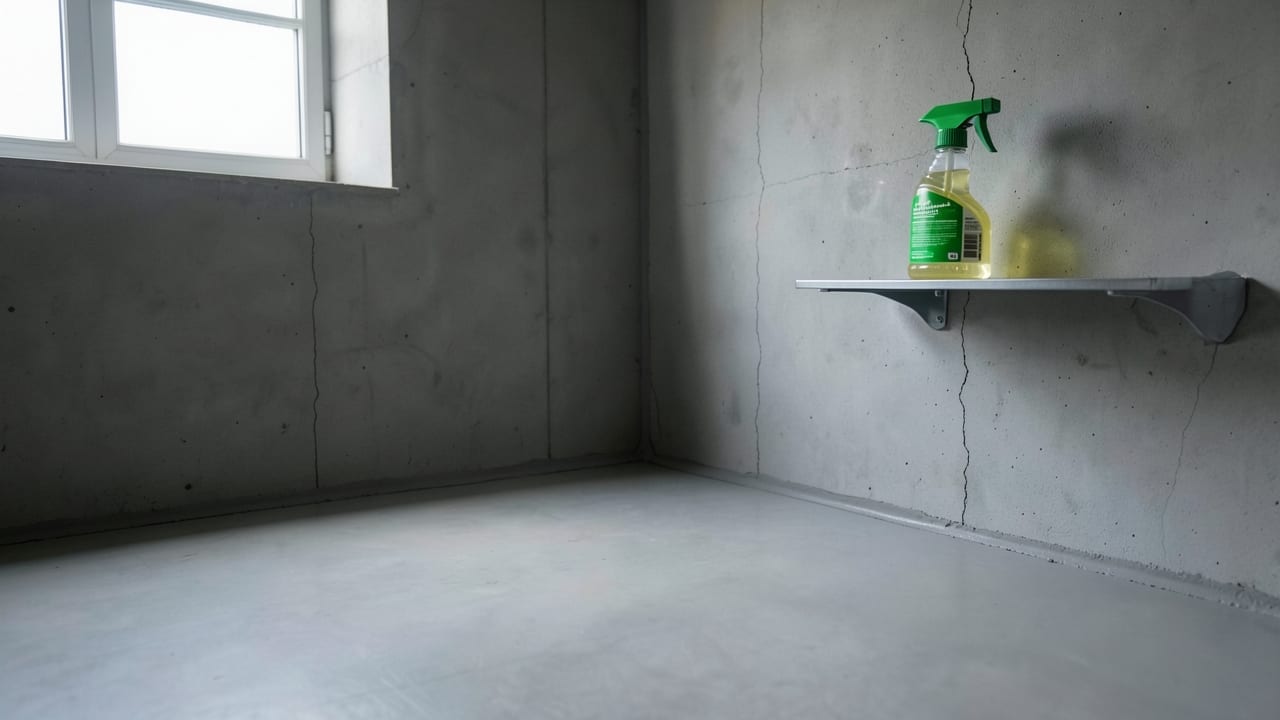
Pest Infestation Mold Remediation in Coconut Creek, FL
Professional mold removal and remediation for pest-related infestations in homes.
Learn MoreCommon Questions About Mold Remediation in Coconut Creek
Everything you need to know about mold remediation services in Coconut Creek
How much does Pre-Winter Mold Prevention typically cost in Coconut Creek, FL?
Why does Coconut Creek, FL's humidity make mold a bigger risk than in drier regions?
Does homeowners insurance typically cover mold remediation?
Is black mold actually more dangerous than other mold types?
How long does a typical mold remediation job take?
Is it safe to stay in the home during mold remediation?
Need Mold Remediation in Coconut Creek?
Connect with local providers in Coconut Creek for a detailed quote.
⏰ We answer your call • Serving all of Coconut Creek and surrounding areas