Spring Mold Inspection
Professional assessment and identification of mold growth in homes.
Spring in Coconut Creek, FL, brings higher humidity and increased moisture risks, making it an ideal time for a professional mold inspection. Trained inspectors assess your home for hidden mold growth, moisture sources, and potential damage, ensuring a thorough evaluation before any remediation begins.
This process helps protect your property and health by identifying issues early, before they worsen.
We also handle Crawl Space & Basement Mold Remediation and Attic Mold Remediation for Coconut Creek properties.
Why mold inspections matter in spring
Spring’s warm, damp conditions create the perfect environment for mold to thrive in Coconut Creek homes. Even small leaks or high humidity can lead to hidden growth behind walls, under floors, or in crawl spaces.
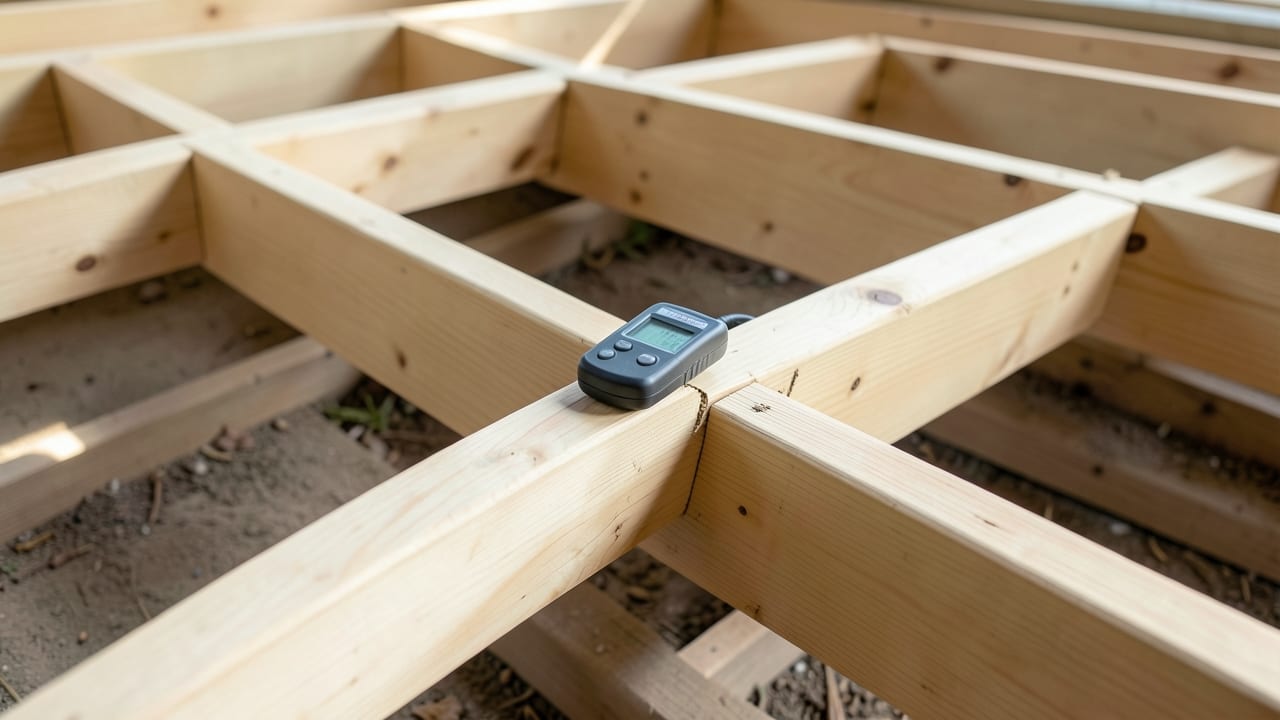
A professional inspection uses tools like moisture meters and thermal imaging to detect issues that aren’t visible to the naked eye, ensuring no area is overlooked.
Mold isn’t just an eyesore—it can damage your home’s structure and trigger allergies or respiratory issues. The key to long-term solutions is identifying *both* the mold *and* the moisture source causing it. Without fixing the root problem, mold often returns, making the inspection step critical before any remediation work begins.
Signs You Need a Mold Inspection
- A persistent musty or earthy smell in closets, bathrooms, or crawl spaces that doesn’t fade after airing out.
- Visible mold spots (black, green, brown, or dark speckles) on drywall, grout, window frames, or under carpets.
- A history of leaks or floods—even if the area was dried on the surface, hidden moisture can remain underneath.
- Health symptoms (sneezing, headaches, itchy eyes) that improve when you leave a specific room or area of your home.
What happens during an inspection?
A mold inspection in Coconut Creek follows a structured process to ensure accuracy. Inspectors start with a visual walkthrough, checking for visible mold, staining, and water damage. They then use tools like moisture meters and thermal imaging to pinpoint hidden dampness in walls, ceilings, and subfloors—areas where mold often hides.
If the source of mold isn’t immediately clear, air and surface samples are collected from affected areas *and* a control room (an unaffected space) for lab comparison. This step ensures results aren’t misinterpreted by comparing them to a baseline.
Samples are sent to an independent, accredited lab for analysis, with results typically returned in 2–5 business days.
What the report includes—and why it’s important
The written scope report from your inspection details which materials are affected, the likely moisture source (e.g., roof leaks, plumbing issues, poor ventilation), and the square footage involved.
This document is essential for two reasons: it helps remediation contractors price the job accurately, and in Florida, it’s required by law before any remediation work can begin.
Florida law also prohibits the same company from performing *both* the assessment *and* the remediation on the same property within 12 months. This rule exists to prevent conflicts of interest, ensuring the diagnosis isn’t influenced by a financial stake in the outcome.
Always ask to see the report before proceeding with any remediation work.
A mold sample count alone—without identifying the moisture source—tells you how much mold is present but not whether it will return. Fixing the root cause (e.g., a leak or condensation issue) is just as critical as removing the mold itself.
How a spring mold inspection works
A professional inspection follows a step-by-step process to ensure accuracy and compliance with Florida standards.
- 1Visual Walkthrough
The inspector examines every room for visible mold, staining, water damage, and musty odors. They check high-risk areas like basements, bathrooms, crawl spaces, and around windows and plumbing.
- 2Moisture and Thermal Testing
Moisture meters and thermal imaging identify hidden dampness in walls, ceilings, and subfloors. These tools reveal issues like trapped water or poor ventilation that aren’t visible during a standard walkthrough.
- 3Sample Collection
If the mold source isn’t obvious, air and surface samples are taken from affected areas *and* a control room (an unaffected space). This ensures lab results are compared to a baseline, not judged in isolation.
- 4Lab Analysis
Samples are sent to an independent, accredited lab for analysis. Results typically return in 2–5 business days and specify the mold species and spore concentration.
- 5Moisture Source Diagnosis
The inspector traces moisture back to its origin—whether it’s a roof leak, plumbing issue, or poor grading—and documents findings in a written scope report for remediation planning.
Frequently asked questions
Can I tell if I have mold just by smelling it?
A musty or earthy smell is one of the most common signs of mold, especially in hidden areas like crawl spaces or behind walls. However, visible inspection and testing are needed to confirm the type and extent of mold growth, as some species don’t produce strong odors.
How long does a mold inspection take?
The duration depends on the size of your home and the complexity of the inspection. A typical single-family home in Coconut Creek usually takes 2–4 hours, including the walkthrough, testing, and documentation of findings.
Do I need a mold inspection if I’ve never seen mold before?
Even if you haven’t seen mold, hidden moisture from leaks, high humidity, or poor ventilation can create ideal conditions for growth. An inspection is especially valuable if you’ve noticed health symptoms that improve when you’re away from certain areas of your home.
What’s the difference between an inspection and remediation?
An inspection identifies mold and moisture sources, while remediation involves removing the mold and fixing the underlying issue. Florida law requires these to be done by separate licensed professionals to avoid conflicts of interest.
Where Coconut Creek sits, and what the Census lists nearby
Coconut Creek sits in Florida, and the closest places listed in the U.S. Census Gazetteer are Margate (2.8 miles southwest), Hillsboro Pines (3.1 miles north), Pompano Beach (4.2 miles southeast), Watergate (4.2 miles northwest).
Within 25 miles of Coconut Creek the same source lists 63 distinct incorporated places and census-designated places.
Those figures matter for spring mold inspection because they are straight-line distances between Census coordinate points: road mileage between Coconut Creek and Margate runs longer than the 2.8 miles shown, which is why quotes for the same job differ between towns that look close together on a map.
Source: U.S. Census Bureau Gazetteer.
See Watergate, FL for more, or find out about our complete Coconut Creek service list step by step for our complete lineup.
Ready to get started?
Talk to a local mold remediation pro in Coconut Creek — get a written quote.
Other Mold Remediation Services in Coconut Creek
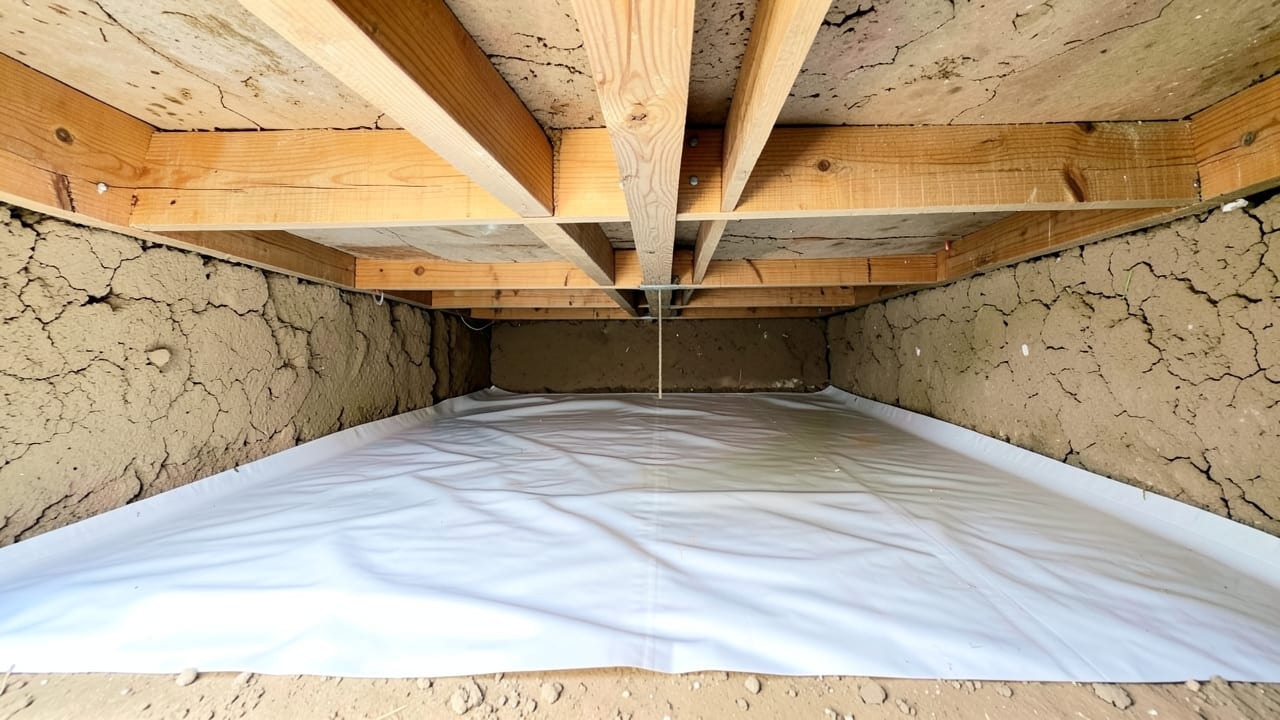
Crawl Space & Basement Mold Remediation in Coconut Creek, FL
Crawl space and basement mold remediation in Coconut Creek, FL addresses the two areas of a property most prone to trapped, unnoticed moisture.
Learn More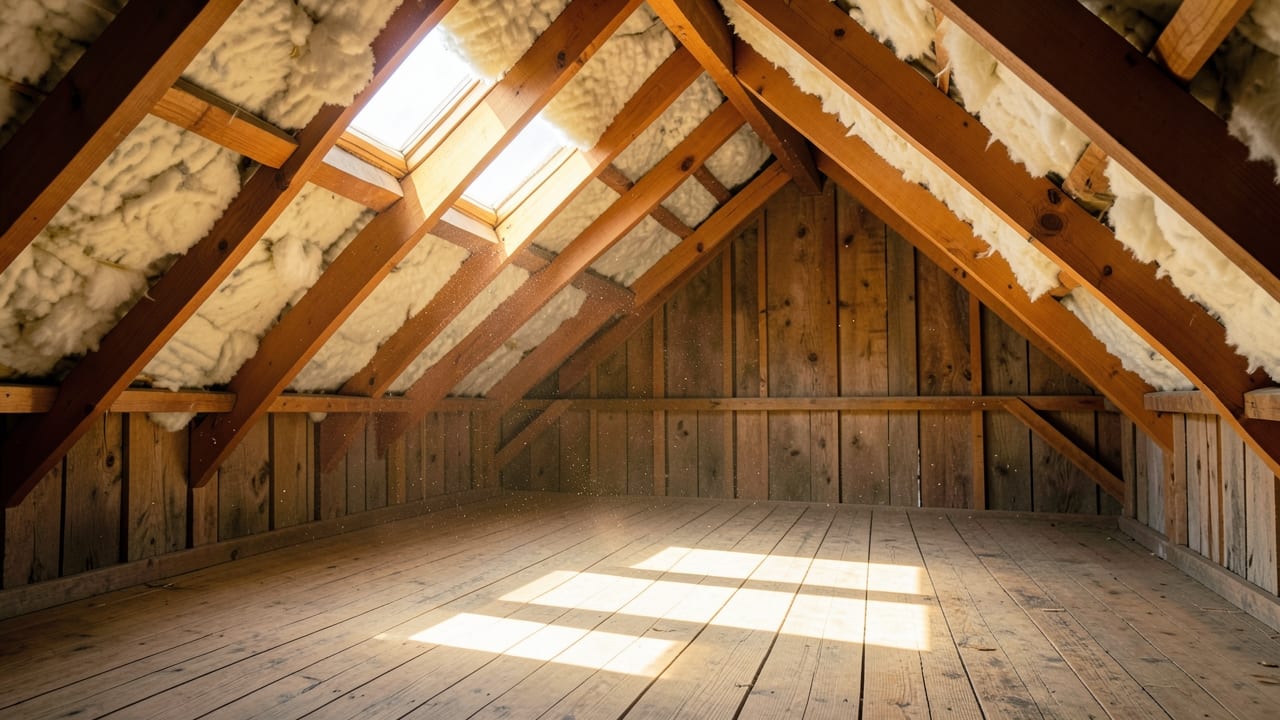
Attic Mold Remediation in Coconut Creek, FL
Attic mold remediation in Coconut Creek, FL addresses roof-deck growth typically caused by poor ventilation or a hidden roof leak.
Learn More
Commercial Mold Remediation in Coconut Creek, FL
Commercial mold inspection and remediation in Coconut Creek, FL for offices, retail space, and multi-unit properties, scheduled around business operations.
Learn More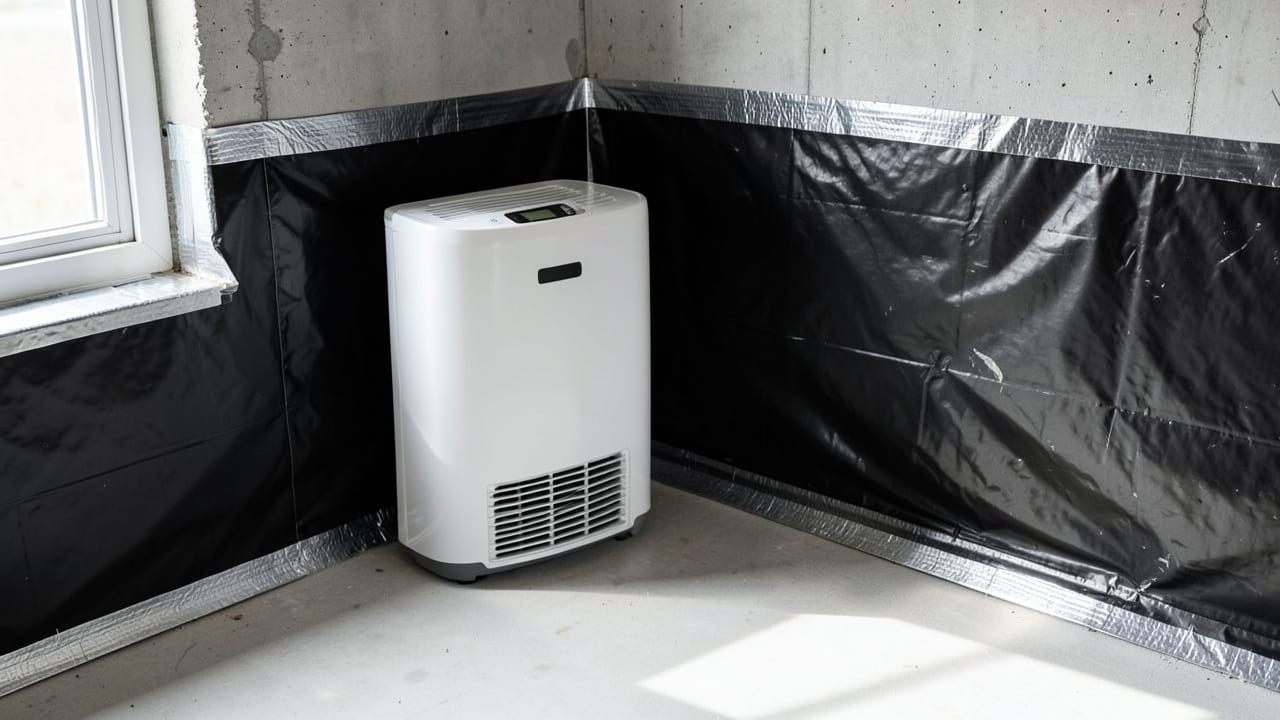
Mold Prevention & Moisture Control in Coconut Creek, FL
Mold prevention and moisture control in Coconut Creek, FL — addressing ventilation, humidity, and drainage before growth starts, not after.
Learn More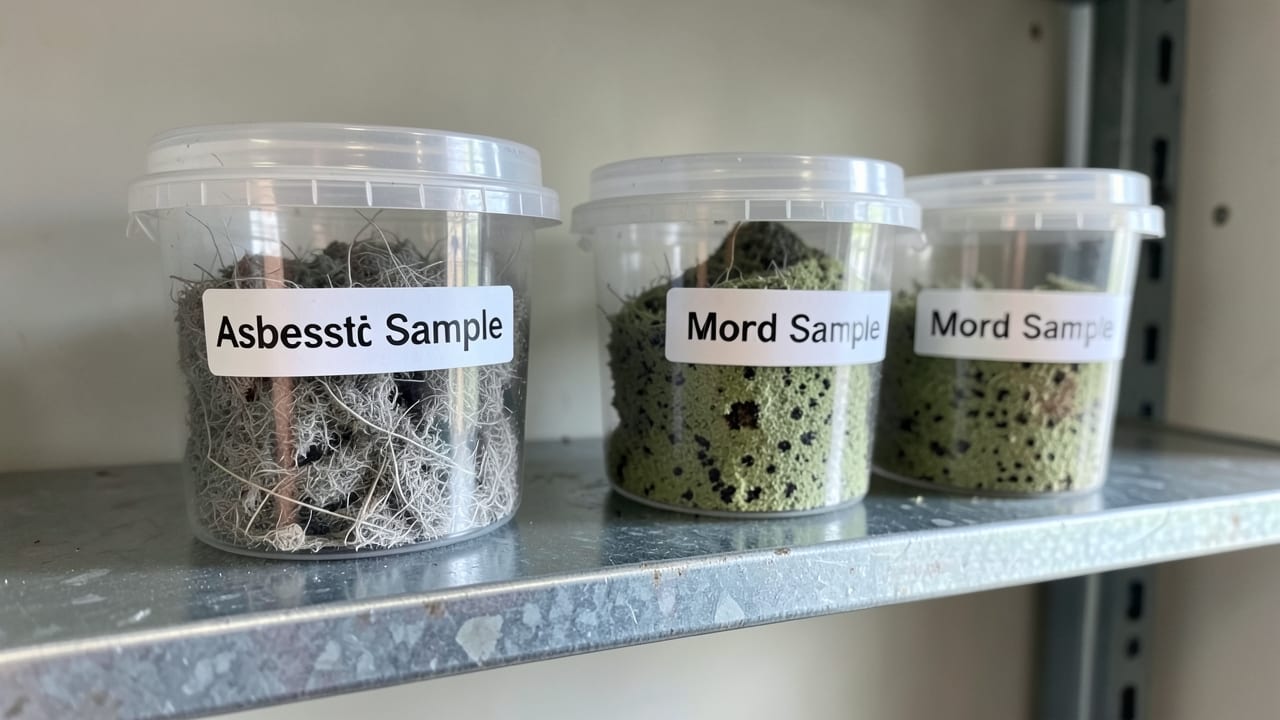
Mold & Asbestos Testing in Coconut Creek, FL
Combined mold and asbestos testing in Coconut Creek, FL — one inspection visit, lab-verified results for both.
Learn More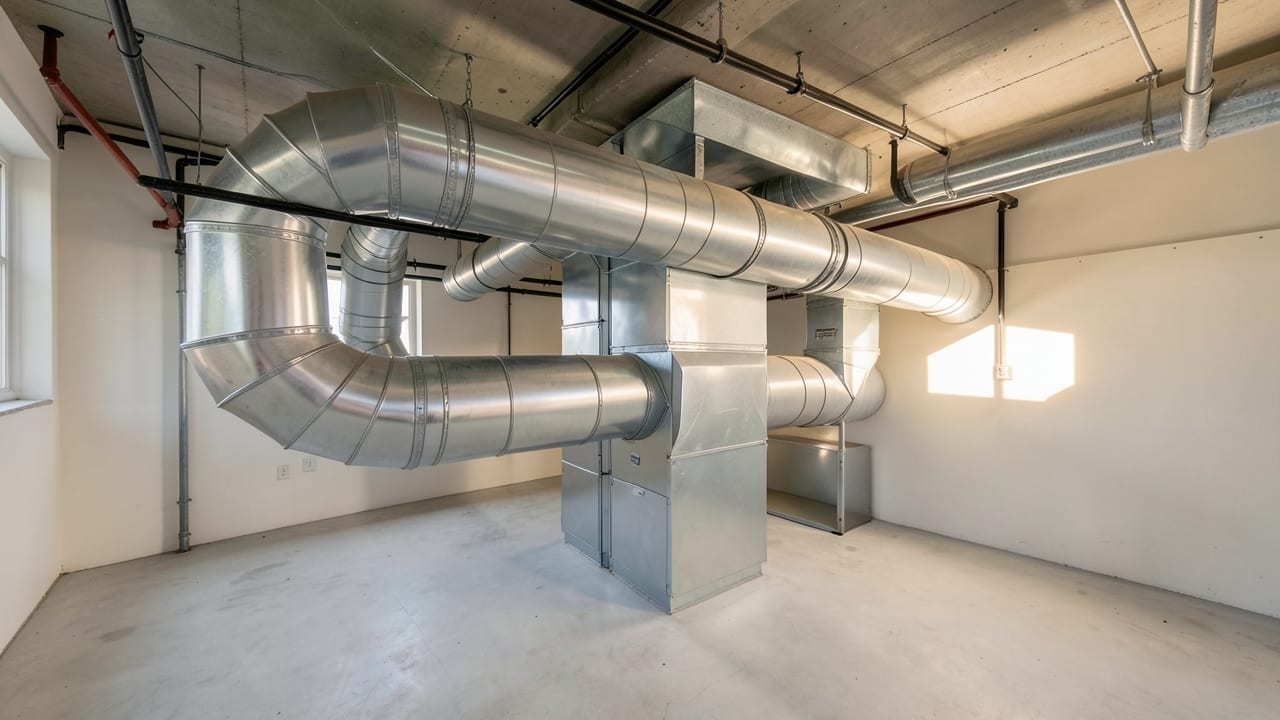
HVAC Mold Remediation in Coconut Creek, FL
HVAC and ductwork mold remediation in Coconut Creek, FL — mold growing inside the air handler or duct system, spreading through every vent.
Learn MoreCommon Questions About Mold Remediation in Coconut Creek
Everything you need to know about mold remediation services in Coconut Creek
How much does Spring Mold Inspection typically cost in Coconut Creek, FL?
Why does Coconut Creek, FL's humidity make mold a bigger risk than in drier regions?
Can small mold problems be handled without hiring anyone?
What's the actual difference between mold removal and mold remediation?
Is a final clearance test part of a typical mold remediation job?
How does mold remediation actually prevent the problem from coming back?
Need Mold Remediation in Coconut Creek?
Connect with local providers in Coconut Creek for a detailed quote.
⏰ We answer your call • Serving all of Coconut Creek and surrounding areas