Mold Behind Walls: Detection and Remediation Costs in Coconut Creek
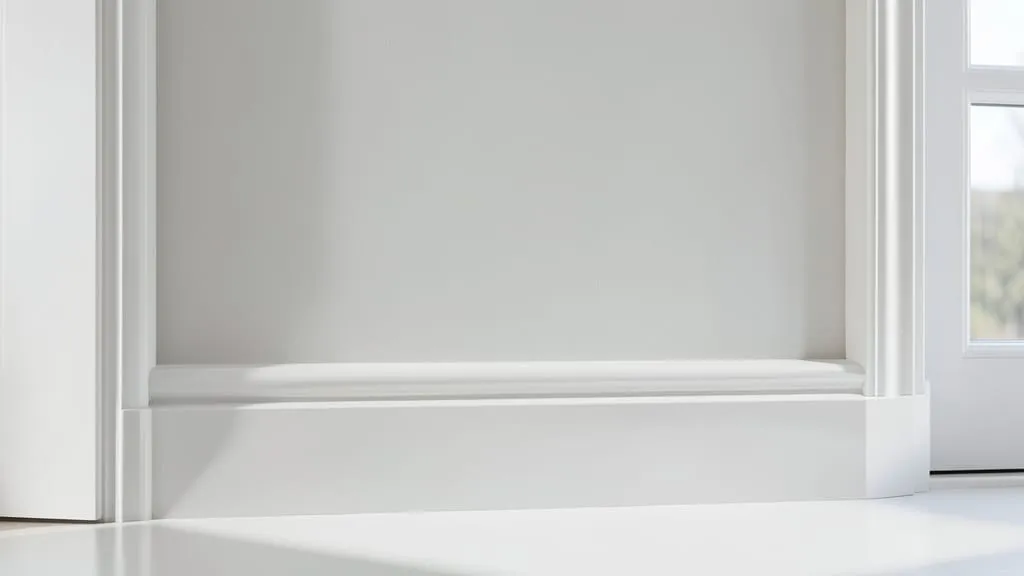
Mold behind walls often goes unnoticed until it spreads, damaging structures and indoor air quality. In Coconut Creek’s humid climate, hidden moisture fuels growth in drywall, insulation, and framing. Early detection and professional remediation are critical to preventing costly repairs and health risks.
Why Mold Thrives Behind Walls in South Florida
Coconut Creek’s warm, humid climate creates ideal conditions for mold spores to colonize hidden spaces. Poor ventilation, high humidity, and water intrusion from leaks or condensation accelerate growth behind drywall, baseboards, and insulation.
Common culprits include plumbing leaks, roof damage, or improperly sealed windows. Even minor moisture, if persistent, can lead to extensive mold colonies within weeks.
Signs You May Have Mold Behind Walls
Musty odors are the most obvious indicator, often lingering even after cleaning. Visible stains, discoloration, or peeling paint on walls can signal hidden mold, especially near corners, ceilings, or baseboards.
Allergic reactions—sneezing, itchy eyes, or respiratory issues—may worsen indoors. Warped or bubbling drywall, or walls that feel damp to the touch, are red flags requiring immediate investigation.
A persistent musty odor often means mold is already established. The longer it grows unseen, the more extensive—and expensive—the remediation becomes.
How Professionals Detect Hidden Mold
Non-invasive methods start with moisture meters to identify elevated humidity levels in walls. Thermal imaging cameras reveal temperature differences that suggest moisture accumulation behind surfaces.
When necessary, small exploratory cuts or borescope inspections confirm mold presence. Air quality testing can detect elevated spore counts, while surface sampling identifies specific mold types, such as Stachybotrys (black mold) or Aspergillus.
Mold Remediation vs. Mold Removal: Key Differences
Mold removal refers to the physical elimination of mold from surfaces, often through cleaning or replacement. Remediation, however, is a comprehensive process that addresses the root cause, contains the spread, and restores a healthy environment.
| Aspect | Mold Removal | Mold Remediation |
|---|---|---|
| Scope | Surface-level cleaning or replacement | Full process: containment, cleaning, moisture control, and prevention |
| Moisture Addressed | No | Yes, identifies and fixes the source |
| Spores Contained | No | Yes, using barriers and negative air pressure |
| Prevents Recurrence | Unlikely without source repair | Yes, includes preventive measures |
| Safety Protocols | Basic PPE | Full PPE, HEPA filtration, air scrubbers |
Factors That Influence Remediation Costs
The extent of the infestation is the primary driver. Small, localized patches cost less to treat than widespread contamination requiring full wall or insulation replacement.
Accessibility plays a role: mold in attics, crawl spaces, or behind finished drywall increases labor and material costs. The type of mold and materials affected (e.g., porous drywall vs. non-porous metal) also impact pricing.
Additional services, such as water damage restoration in Margate or Coral Springs, or HVAC mold remediation, add to the overall expense. Air quality testing and post-remediation verification may be recommended, further influencing the total.
Costs vary based on the contractor’s approach and the home’s specific needs. Always compare written estimates and ask about moisture control guarantees.
Typical Steps in Wall Mold Remediation
The process begins with containment to prevent spores from spreading. Plastic sheeting and negative air pressure isolate the work area, while HEPA air scrubbers filter airborne contaminants.
Affected materials like drywall, insulation, or baseboards are removed and disposed of according to regulations. Non-porous surfaces are cleaned with antimicrobial solutions, and salvageable wood framing may be sanded or treated.
After cleaning, the area is dried thoroughly, and moisture barriers or vapor retarders may be installed. Final steps include encapsulation, if needed, and post-remediation air quality testing to confirm success.
Preventing Mold Recurrence in Coconut Creek Homes
Controlling indoor humidity below 60% with dehumidifiers is essential, especially during the rainy season. Proper ventilation in bathrooms, kitchens, and laundry rooms reduces moisture buildup.
Regular inspections of roofs, plumbing, and HVAC systems in areas like Pompano Beach or Boca Raton can catch leaks early. Using mold-resistant drywall in high-risk areas, such as basements or bathrooms, adds an extra layer of protection.
Mold Prevention Checklist
- Install and maintain exhaust fans in bathrooms and kitchens
- Use dehumidifiers in humid months, especially in crawl spaces and attics
- Inspect plumbing, roofs, and windows for leaks annually
- Ensure proper grading around the home’s foundation to divert water
- Replace standard drywall with mold-resistant materials in moisture-prone areas
- Clean and dry water-damaged areas within 24-48 hours
When to Consider Professional Help
DIY mold removal is only advisable for very small, surface-level growth on non-porous materials. If mold covers more than 10 square feet, is in HVAC systems, or returns after cleaning, professional remediation is necessary.
Homeowners in Coconut Creek should also seek experts for mold in hard-to-reach areas like attics, crawl spaces, or inside walls. Health risks, especially for those with allergies or respiratory conditions, make professional intervention the safer choice.
How to Inspect for Mold Behind Walls
Follow these steps to check for hidden mold before it becomes a major issue.
- 1Look for Visual Clues
Check for discoloration, stains, or peeling paint on walls, especially near corners, ceilings, or baseboards. Pay attention to areas near plumbing, windows, or past water damage.
- 2Use Your Nose
Musty odors are a strong indicator of hidden mold. If the smell is stronger in a specific area, focus your inspection there.
- 3Check for Moisture
Use a moisture meter to test walls for elevated humidity. Readings above 20% in drywall or 30% in wood suggest excess moisture.
- 4Inspect Hidden Areas
Remove outlet covers, baseboards, or small sections of drywall to check for mold or water stains. A borescope can help inspect inside wall cavities.
- 5Monitor Humidity Levels
Use a hygrometer to track indoor humidity. Consistently high levels (above 60%) increase the risk of mold growth behind walls.
- 6Document Findings
Take photos and notes of any signs of mold or moisture. This documentation can help professionals assess the situation more accurately.
Frequently Asked Questions
How common is mold behind walls in Coconut Creek homes?
Very common, due to the region’s high humidity and frequent rain. Older homes, or those with poor ventilation, past water damage, or improperly maintained HVAC systems, are especially susceptible.
Can mold behind walls make you sick?
Yes. Exposure to mold spores can trigger allergic reactions, asthma attacks, and respiratory issues, particularly in individuals with compromised immune systems or pre-existing conditions.
How long does wall mold remediation take?
The duration depends on the extent of the infestation. Small, contained areas may take 1-3 days, while large or widespread mold in multiple rooms or structural components can take a week or longer.
Does homeowners insurance cover mold remediation in Florida?
Coverage varies by policy. Most standard policies exclude mold unless it results from a covered peril, such as a burst pipe. Review your policy or consult an agent to understand your coverage.
What’s the difference between mold testing and mold inspection?
Mold inspection is a visual and physical assessment of a property for signs of mold and moisture. Mold testing involves collecting air or surface samples to identify the type and concentration of mold spores present.
Are there specific building codes for mold remediation in Coconut Creek?
Florida follows the Florida Building Code, which includes guidelines for moisture control and mold remediation. Local regulations may also apply, especially for commercial properties or multi-unit buildings like condos in nearby Deerfield Beach or Parkland.