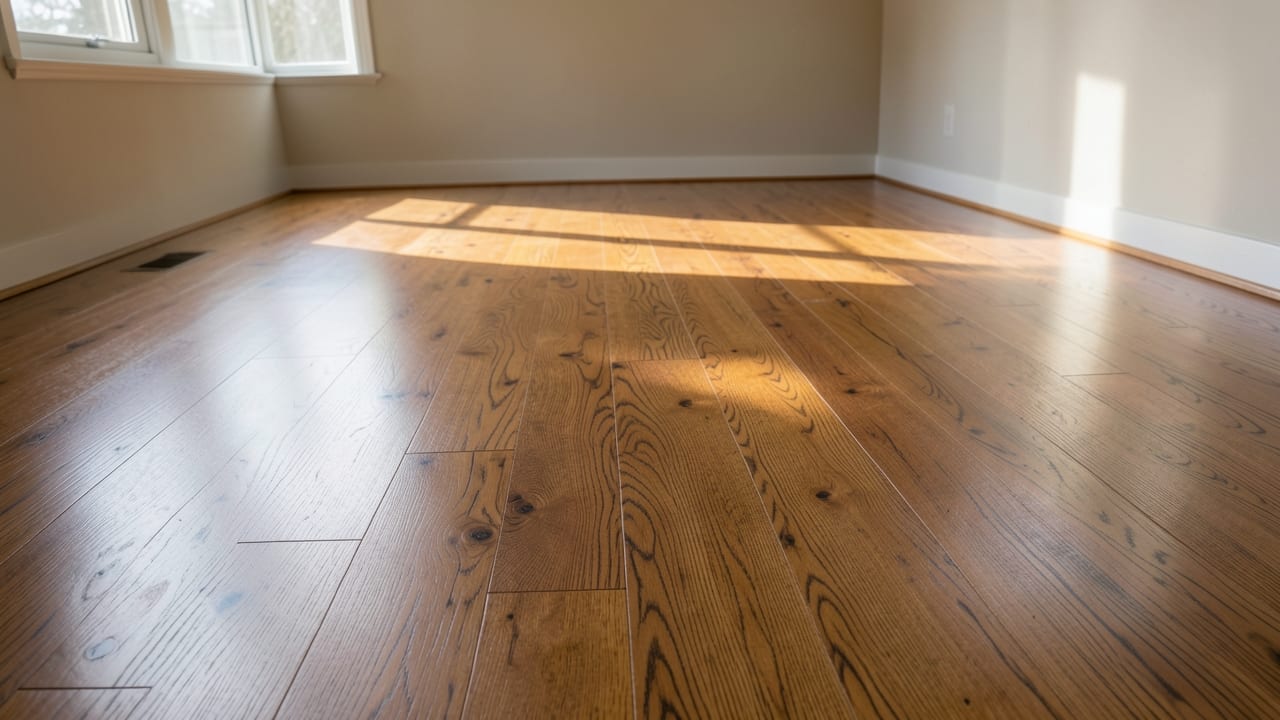
Flood Damage Mold Remediation
Professional mold removal and remediation after flood damage in homes.
Flood damage in Coconut Creek can quickly lead to hidden mold growth in walls, basements, and under flooring. Proper mold remediation involves containment, removal of contaminated materials, and addressing moisture sources to prevent regrowth. Local regulations require licensed professionals to handle larger infestations safely and effectively.
When to call for flood damage mold remediation
Floodwater leaves behind moisture that fuels mold growth within 24–48 hours. If you notice musty odors, visible mold patches larger than a few square feet, or recurring growth after cleaning, professional remediation is necessary. Hidden mold behind walls or under flooring often requires structural opening to assess and treat properly.
We also handle Roof Leak Mold Remediation and Apartment Mold Remediation for Coconut Creek properties.
DIY solutions like bleach or vinegar only remove surface mold and fail to address moisture sources, leading to regrowth. Florida law requires licensed remediators for infestations over 25 contiguous square feet, and mixing assessment and remediation by the same company within a year is prohibited to avoid conflicts of interest.
Signs You Need Professional Remediation
- Mold covering more than 25 square feet (Florida’s threshold for requiring a licensed contractor).
- Musty smells with no visible mold—often indicates hidden growth in walls, ducts, or under flooring.
- Recurring mold in the same spot after cleaning, signaling an unresolved moisture issue.
- Visible black mold (Stachybotrys), which requires specialized handling due to its toxicity.
What affects cost and timeline?
Pricing for flood damage mold remediation in Coconut Creek typically ranges based on square footage, mold type, and structural work required. Confirmed black mold cases or extensive hidden growth may increase costs due to additional containment, removal, and clearance testing needs.
Timelines depend on the size of the affected area, drying requirements, and whether moisture sources (like leaks or poor grading) must be addressed. Industrial dehumidifiers and air movers may run for days to bring humidity levels down before containment can be removed.
Why containment and clearance testing matter
Proper containment with plastic sheeting and negative-air machines prevents spores from spreading to unaffected areas during removal. Skipping this step can turn a contained job into a larger infestation, requiring more extensive (and costly) remediation later.
Clearance testing by an independent lab confirms spore levels return to normal before containment is removed. Without testing, there’s no way to verify whether the job fully resolved the issue or left hidden contamination behind.
Using non-HEPA vacuums or air scrubbers recirculates spores instead of capturing them. Removing mold without fixing leaks, condensation, or grading issues ensures the problem returns within months. Always insist on written scopes, containment, and third-party clearance testing.
How flood damage mold remediation works
A professional remediation follows strict steps to safely remove mold and prevent regrowth.
- 1Containment Setup
Plastic sheeting and negative-air machines seal off the work area to trap spores during removal, preventing them from spreading to other parts of the home.
- 2Material Removal or Treatment
Porous materials like drywall or carpet padding—absorbed with mold—are cut out and bagged, while non-porous surfaces (tile, metal framing) are scrubbed and treated with antimicrobial solutions.
- 3Structural Drying
Industrial dehumidifiers and air movers reduce moisture in framing and subfloors to normal levels, as mold regrows on damp surfaces even after visible traces are gone.
- 4HEPA Filtration and Cleanup
HEPA-filtered air scrubbers and vacuums run continuously to capture spores, and surfaces are cleaned with HEPA-equipped tools to avoid recirculating contamination.
- 5Clearance Testing
An independent lab tests air or surfaces post-remediation to confirm spore counts are back to normal before containment is removed and the area is released.
Frequently asked questions
Can I clean small mold patches myself after a flood?
Small, isolated patches (under 10 square feet) can be cleaned with detergent and water, but avoid bleach—it doesn’t penetrate porous materials. If mold keeps returning or spreads, professional remediation is needed to address hidden growth and moisture sources.
How long does it take to dry walls and floors after mold removal?
Drying times vary based on humidity and material thickness, but industrial dehumidifiers typically run for 3–7 days to bring moisture levels down to safe ranges before containment can be removed.
Why does Florida law prohibit the same company from assessing and remediating mold?
Florida’s rule prevents conflicts of interest by ensuring the entity identifying the problem isn’t also paid to fix it. This protects homeowners from overstated diagnoses or unnecessary removals.
Will my insurance cover flood damage mold remediation?
Coverage depends on your policy. Flood damage is often excluded from standard homeowners’ insurance, but separate flood insurance may apply. Document the damage and contact your insurer promptly to confirm eligibility.
Where Coconut Creek sits, and what the Census lists nearby
Coconut Creek sits in Florida, and the closest places listed in the U.S. Census Gazetteer are Margate (2.8 miles southwest), Hillsboro Pines (3.1 miles north), Pompano Beach (4.2 miles southeast), Watergate (4.2 miles northwest).
Within 25 miles of Coconut Creek the same source lists 63 distinct incorporated places and census-designated places.
Those figures matter for flood damage mold remediation because they are straight-line distances between Census coordinate points: road mileage between Coconut Creek and Margate runs longer than the 2.8 miles shown, which is why quotes for the same job differ between towns that look close together on a map.
Source: U.S. Census Bureau Gazetteer.
See Fort Lauderdale, FL for more, or explore the rest of our Coconut Creek lineup on a single page for our complete lineup.
Ready to get started?
Talk to a local mold remediation pro in Coconut Creek — get a written quote.
Other Mold Remediation Services in Coconut Creek
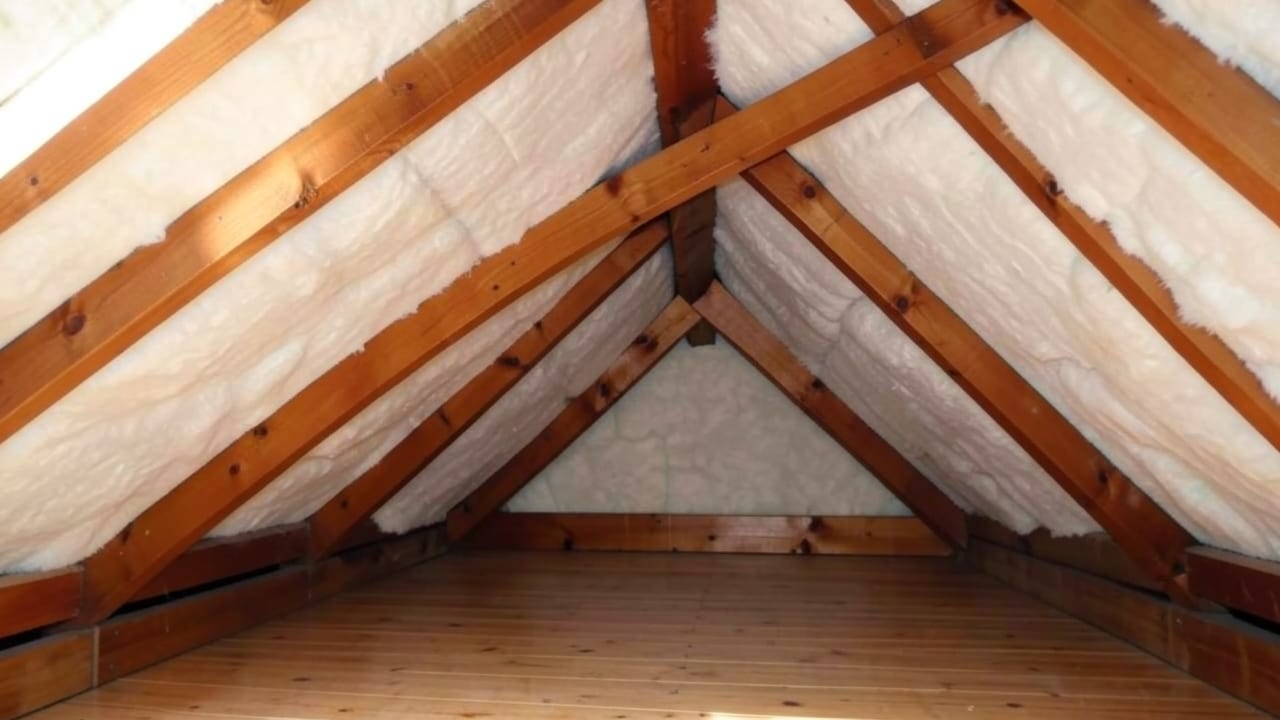
Roof Leak Mold Remediation in Coconut Creek, FL
Professional removal of mold caused by roof leaks to restore a safe, healthy home environment.
Learn More
Apartment Mold Remediation in Coconut Creek, FL
Professional mold removal and remediation for apartments to restore safe living conditions.
Learn More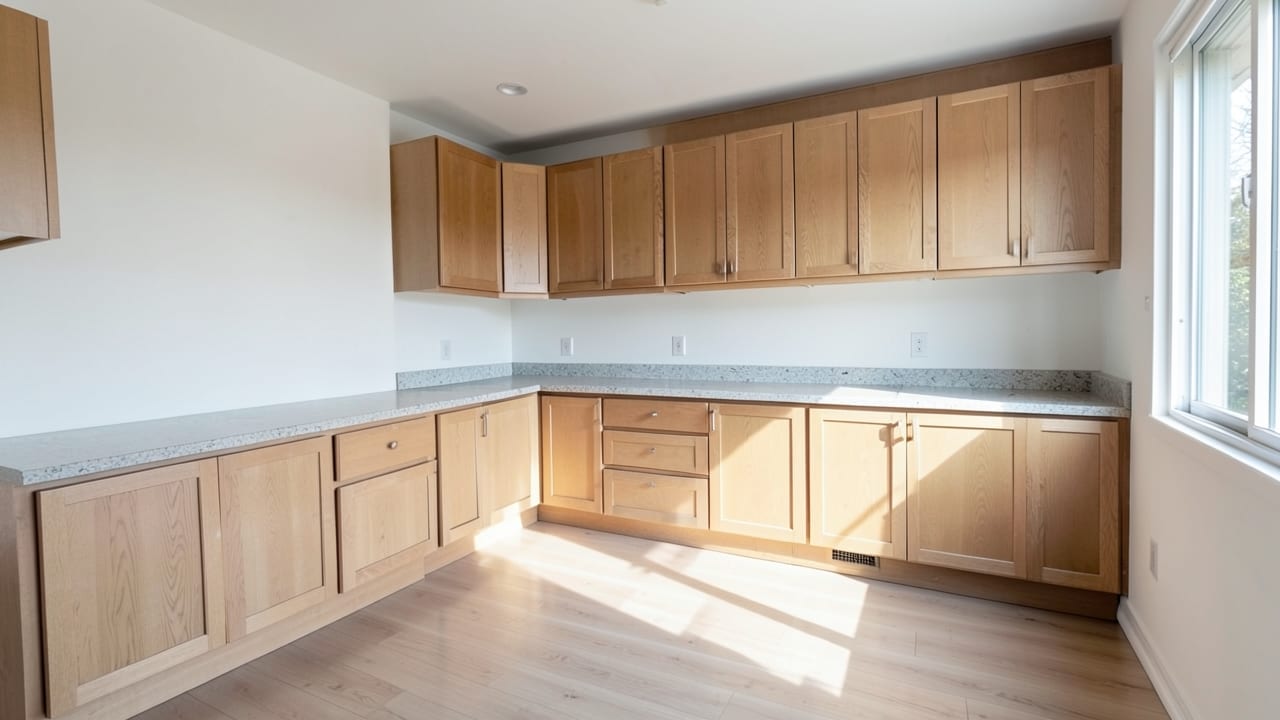
Rental Property Mold Cleanup in Coconut Creek, FL
Professional mold removal and remediation for rental properties to restore safe living conditions.
Learn More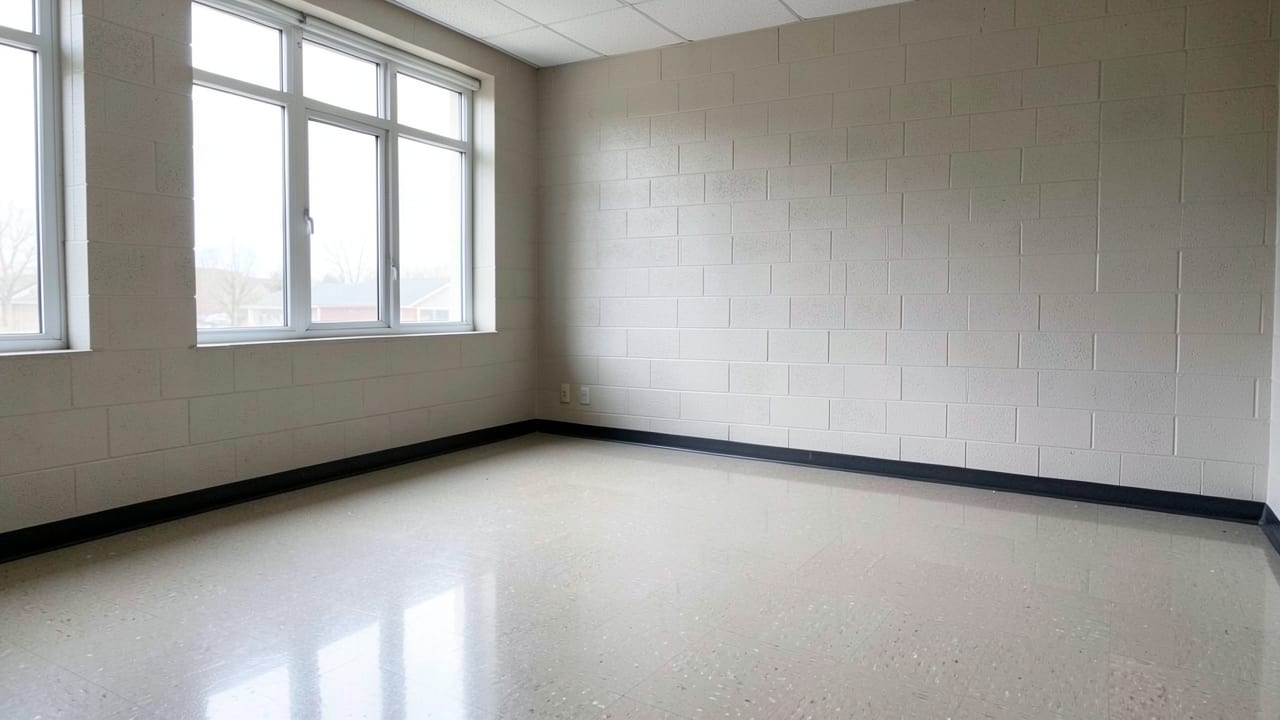
School Mold Remediation in Coconut Creek, FL
Professional mold removal and remediation in schools to ensure a safe, healthy environment.
Learn More
Hospital Mold Removal in Coconut Creek, FL
Professional assessment and removal of mold in hospitals to ensure a safe, healthy environment.
Learn More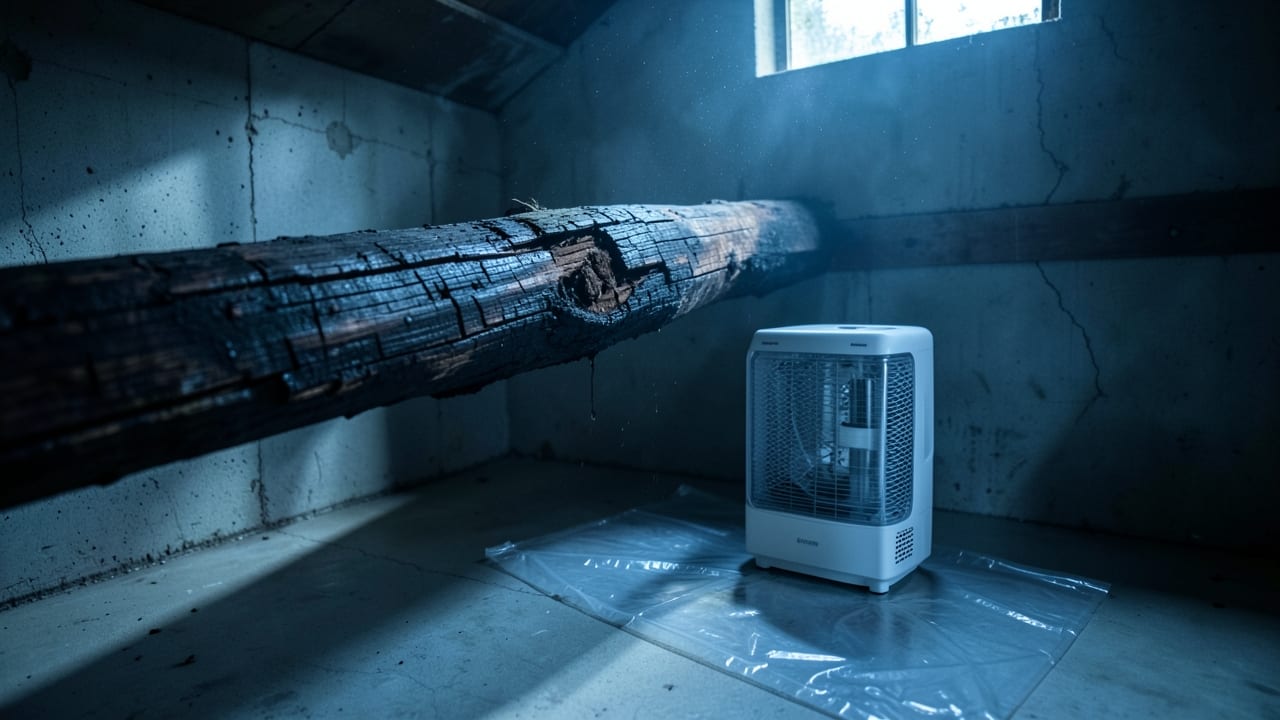
Fire Smoke Mold Remediation in Coconut Creek, FL
Professional cleanup and restoration of fire, smoke, and mold damage in homes.
Learn MoreCommon Questions About Mold Remediation in Coconut Creek
Everything you need to know about mold remediation services in Coconut Creek
How much does Flood Damage Mold Remediation typically cost in Coconut Creek, FL?
Why does Coconut Creek, FL's humidity make mold a bigger risk than in drier regions?
How long does a typical mold remediation job take?
Is it safe to stay in the home during mold remediation?
Can small mold problems be handled without hiring anyone?
What's the actual difference between mold removal and mold remediation?
Need Mold Remediation in Coconut Creek?
Connect with local providers in Coconut Creek for a detailed quote.
⏰ We answer your call • Serving all of Coconut Creek and surrounding areas