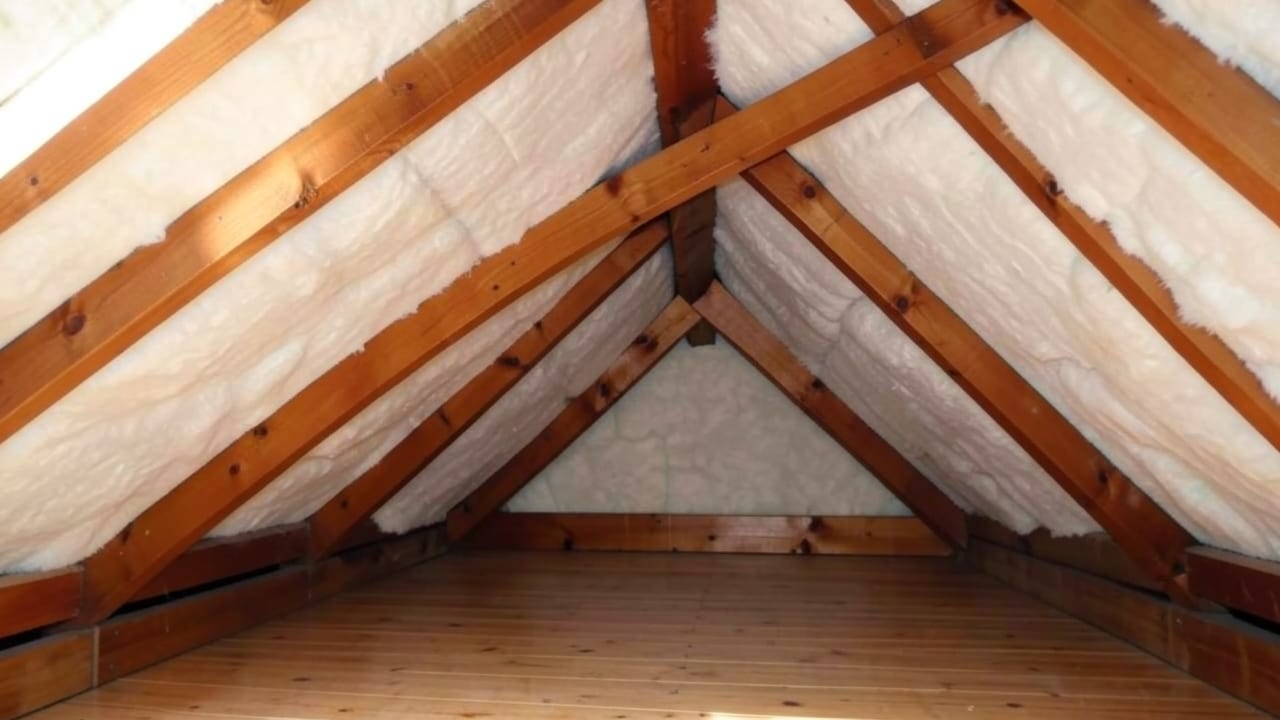
Roof Leak Mold Remediation
Professional removal of mold caused by roof leaks to restore a safe, healthy home environment.
In Coconut Creek, FL, roof leaks often lead to hidden mold growth that spreads quickly in humid conditions. Roof leak mold remediation targets the contamination caused by water intrusion, using containment, removal, and drying to restore air quality and prevent regrowth.
Florida law requires licensed professionals to handle mold safely, ensuring proper cleanup and moisture-source fixes to avoid recurrence.
We also handle Pest Infestation Mold Remediation and Storm Damage Mold Cleanup for Coconut Creek properties.
When to call for roof leak mold remediation
Mold from roof leaks rarely stays small or isolated. If you notice black, green, or brown stains covering more than a few square feet, or if the musty smell worsens when your HVAC runs, hidden growth is likely spreading.
Recurring mold in the same spot after cleaning suggests the leak or moisture source was never addressed. Florida law treats any mold patch larger than 25 square feet as a job requiring a licensed remediator.
Poor airflow in closets, windowless bathrooms, or basements creates the damp conditions mold thrives in. If these areas stay persistently humid, even after remediation, a small fan or dehumidifier can help prevent future growth.
Outside, check for soil sloping toward your foundation or downspouts dumping water against walls—both can reintroduce moisture after cleanup.
Signs You Need Professional Roof Leak Mold Remediation
- Mold covering more than 25 square feet (Florida’s threshold for requiring a licensed contractor).
- A musty odor that gets stronger when the HVAC system turns on (indicating hidden growth in ductwork).
- Mold returning in the same spot after cleaning (usually means the leak or moisture source wasn’t fixed).
- Visible stains on ceilings, walls, or floors that darken or spread over time.
What affects cost and scope in Coconut Creek
Pricing for roof leak mold remediation in Coconut Creek typically ranges between $10 and $25 per square foot, depending on the size of the affected area and whether black mold (Stachybotrys) is confirmed.
Confirmed black mold cases often cost 15–25% more for the same area. Hidden mold behind walls or under flooring adds labor time and containment costs, as does structural drying with industrial dehumidifiers.
Clearance testing—an independent lab check to confirm spore levels are back to normal—is often billed separately. Some quotes exclude containment setup, air scrubbing, or post-remediation testing, so compare what’s included before choosing a provider.
Florida law also prohibits the same company from assessing *and* remediating the same property within 12 months, so verify who is handling each step.
What happens if you skip key steps?
Containment breaches—like torn plastic sheeting or propped-open doors—let spores drift into unaffected areas, turning a small job into a full-house cleanup. Using non-HEPA vacuums or air scrubbers recirculates spores instead of capturing them, making the problem worse.
Removing mold without fixing the roof leak or moisture source ensures it will return within months, often faster than the original growth.
Skipping HEPA filtration or containment risks spreading spores to every room in your home, not just the affected area.
How roof leak mold remediation works
- 1Containment Setup
Plastic sheeting and negative-air machines seal off the work area to trap spores during removal, preventing them from spreading through hallways or HVAC vents.
- 2Material Removal
Porous materials like drywall and insulation—where mold grows deep—are cut out and bagged inside containment. Non-porous surfaces like framing or tile are scrubbed and treated instead.
- 3Structural Drying
Industrial dehumidifiers and air movers dry framing and subfloors to normal moisture levels, since mold regrows on damp wood even after visible traces are gone.
- 4HEPA Cleanup
Surfaces are vacuumed with HEPA-filtered tools, and air scrubbers run continuously to capture spores stirred up during removal, unlike standard vacuums that recirculate them.
- 5Clearance Testing
An independent lab tests air or surfaces after remediation to confirm spore counts are back to normal before containment is removed.
Frequently asked questions
My roof leaks when it rains, but I’ve only seen a small mold spot. Should I still call a professional?
If the mold covers more than a few square feet or keeps coming back after cleaning, it’s likely spreading behind walls or in ductwork. Florida law requires licensed remediation for patches larger than 25 sq. ft., and hidden growth often worsens without proper containment and drying.
Will fixing the roof leak alone stop the mold from coming back?
Not always. Even after the leak is repaired, residual moisture in materials can fuel regrowth. Structural drying with dehumidifiers and fixing any airflow issues (like stagnant closets) helps prevent recurrence, but mold may return if humidity isn’t managed long-term.
How do I know if the remediation actually worked?
Independent clearance testing—air or surface sampling by a third party—confirms whether spore levels are back to normal. Without this step, there’s no way to verify the job resolved the contamination, especially if hidden mold was present.
My musty smell got worse after the HVAC turned on. Could mold be in my ducts?
Yes. A strong musty odor that activates with the HVAC often means mold is growing inside ductwork, spreading spores through every room the system reaches. Duct cleaning or replacement may be needed alongside remediation to fully address the issue.
Where Coconut Creek sits, and what the Census lists nearby
Coconut Creek sits in Florida, and the closest places listed in the U.S. Census Gazetteer are Margate (2.8 miles southwest), Hillsboro Pines (3.1 miles north), Pompano Beach (4.2 miles southeast), Watergate (4.2 miles northwest).
Within 25 miles of Coconut Creek the same source lists 63 distinct incorporated places and census-designated places.
Those figures matter for roof leak mold remediation because they are straight-line distances between Census coordinate points: road mileage between Coconut Creek and Margate runs longer than the 2.8 miles shown, which is why quotes for the same job differ between towns that look close together on a map.
Source: U.S. Census Bureau Gazetteer.
See Deerfield Beach, FL for more, or take a look at every option available in Coconut Creek step by step for our complete lineup.
Ready to get started?
Talk to a local mold remediation pro in Coconut Creek — get a written quote.
Other Mold Remediation Services in Coconut Creek
Pest Infestation Mold Remediation in Coconut Creek, FL
Professional mold removal and remediation for pest-related infestations in homes.
Learn More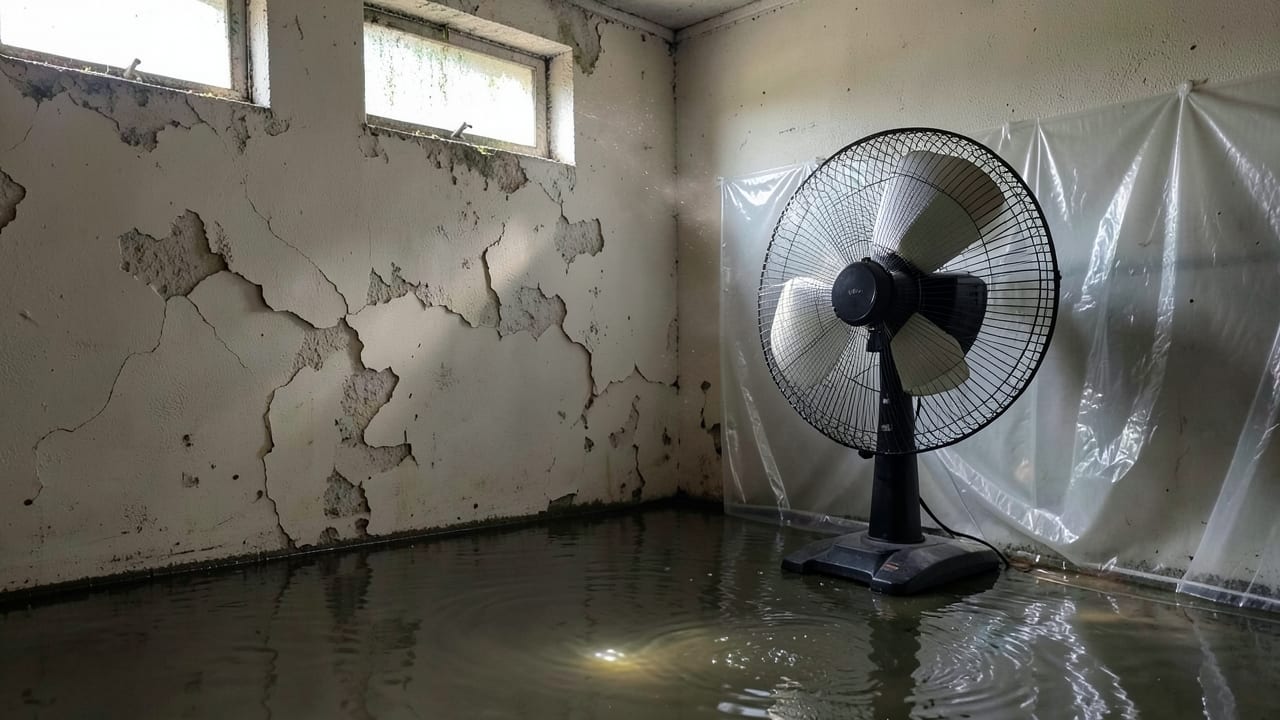
Storm Damage Mold Cleanup in Coconut Creek, FL
Professional cleanup and remediation of mold caused by storm-related water damage in homes.
Learn More
Pre-Winter Mold Prevention in Coconut Creek, FL
Pre-winter mold prevention involves inspection and treatment to stop mold growth before cold weather.
Learn More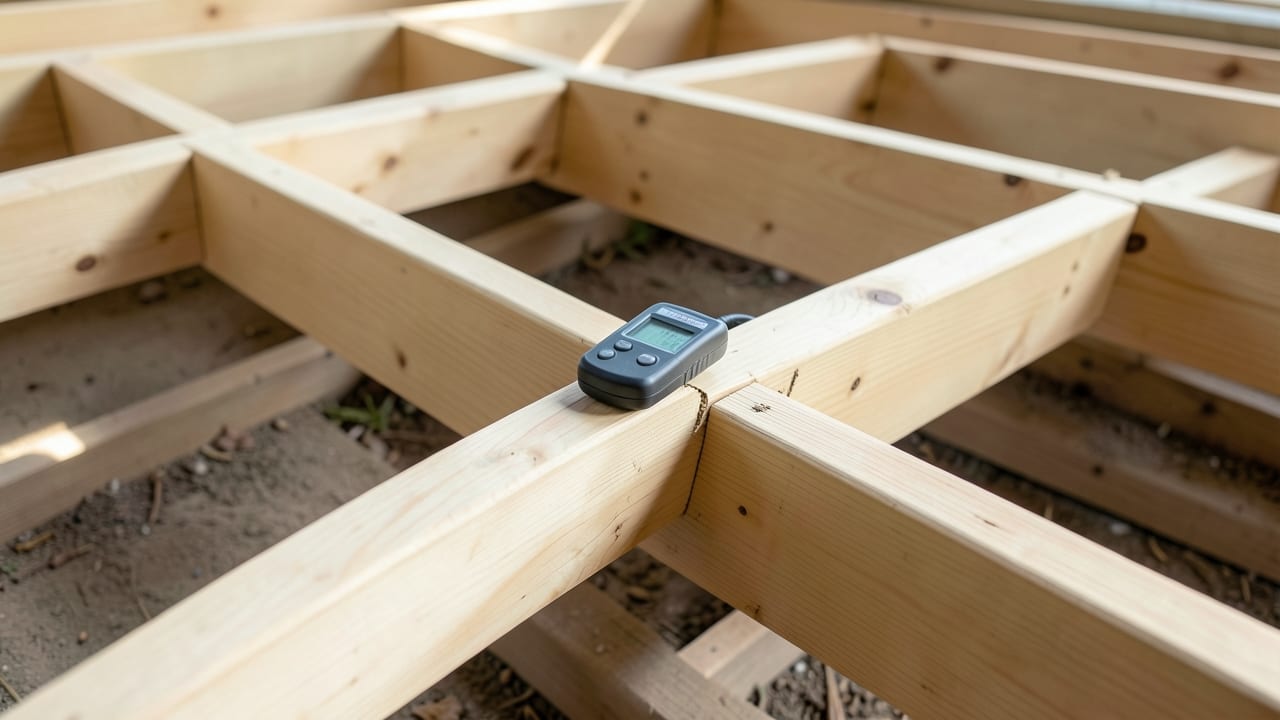
Spring Mold Inspection in Coconut Creek, FL
Professional assessment and identification of mold growth in homes.
Learn More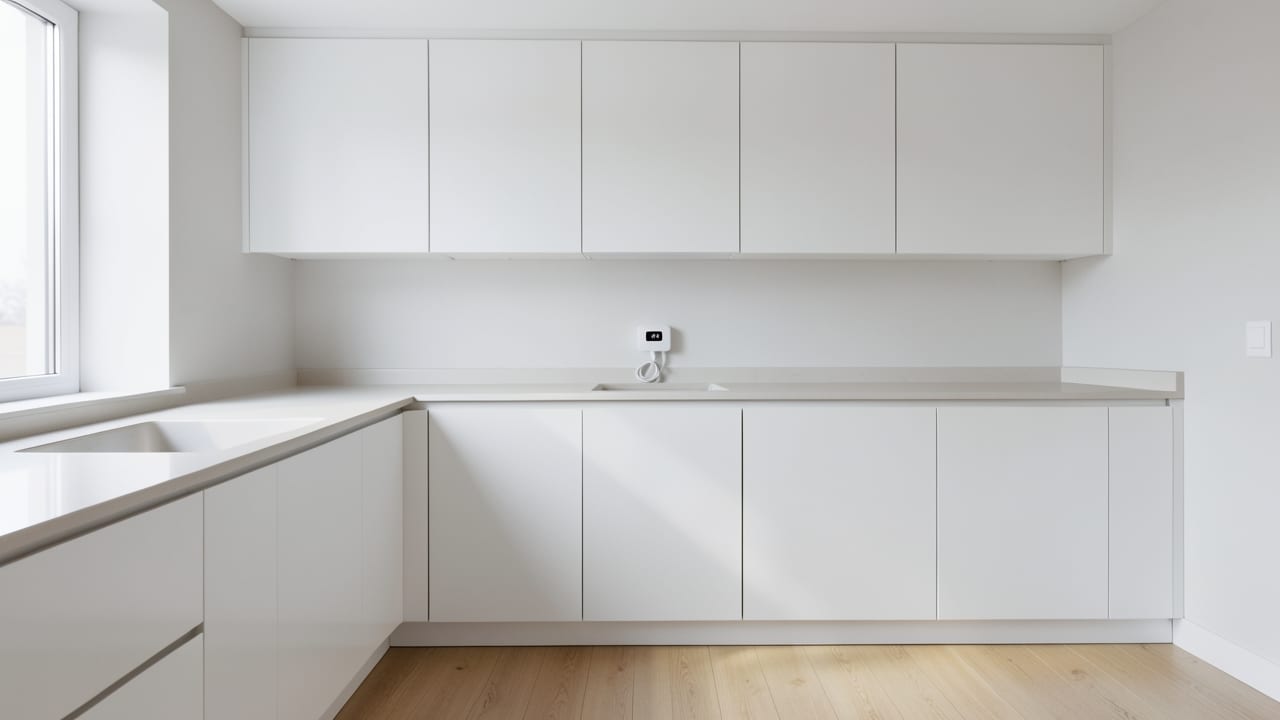
Move-In Mold Assessment in Coconut Creek, FL
Professional inspection and assessment of mold presence before moving into a property.
Learn More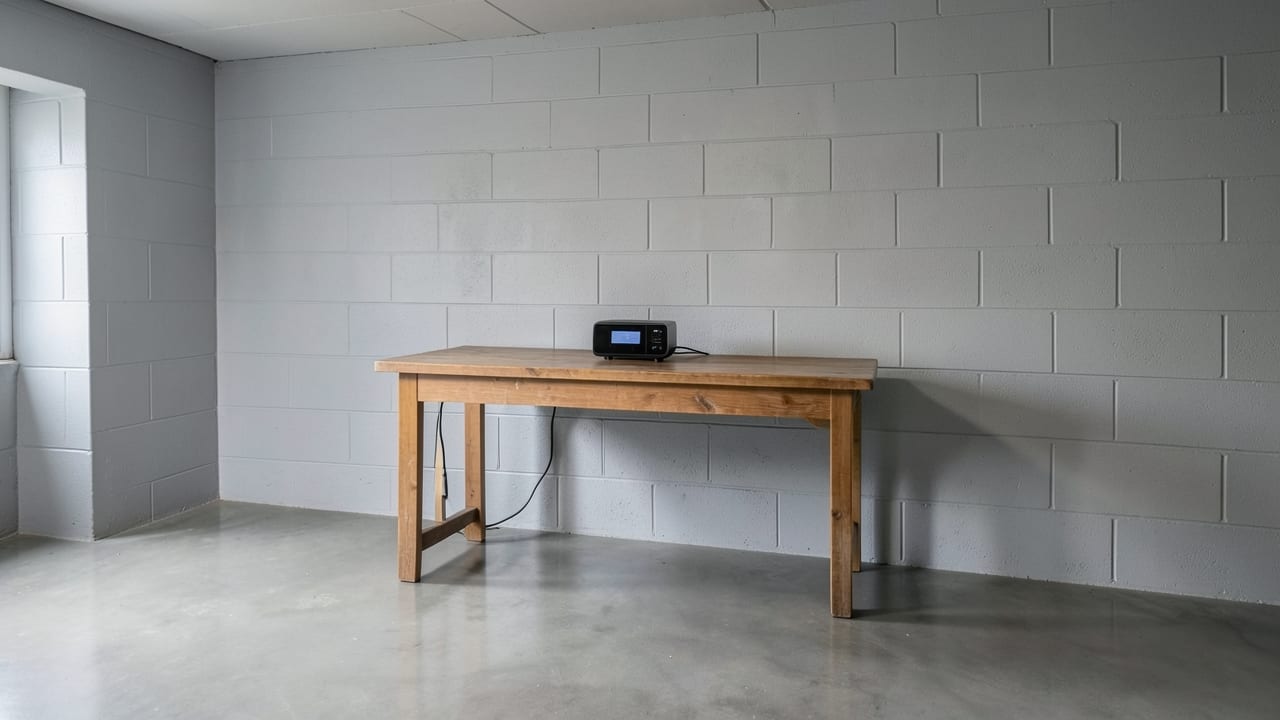
Pre-Sale Mold Clearance in Coconut Creek, FL
Pre-sale mold clearance involves inspection and testing to confirm a property is mold-free before purchase.
Learn MoreCommon Questions About Mold Remediation in Coconut Creek
Everything you need to know about mold remediation services in Coconut Creek
How much does Roof Leak Mold Remediation typically cost in Coconut Creek, FL?
Why does Coconut Creek, FL's humidity make mold a bigger risk than in drier regions?
Can small mold problems be handled without hiring anyone?
What's the actual difference between mold removal and mold remediation?
Is a final clearance test part of a typical mold remediation job?
How does mold remediation actually prevent the problem from coming back?
Need Mold Remediation in Coconut Creek?
Connect with local providers in Coconut Creek for a detailed quote.
⏰ We answer your call • Serving all of Coconut Creek and surrounding areas