Long-Term Solutions for Mold and Mildew Control in Coconut Creek
Coconut Creek’s tropical climate creates ideal conditions for mold and mildew growth, especially in hidden spaces like attics, crawl spaces, and behind drywall. Without targeted moisture control, recurring infestations can damage structures and compromise indoor air quality. Long-term solutions require addressing the root causes, not just the visible signs.
Why Mold and Mildew Thrive in South Florida Homes
High humidity, frequent rain, and warm temperatures in Coconut Creek provide the perfect environment for mold spores to colonize. Even minor water intrusion from roof leaks, plumbing failures, or poor drainage can sustain growth.
Porous materials like drywall, carpet, and wood are especially vulnerable. Mold can begin growing within 24–48 hours of moisture exposure, often before homeowners notice any signs.
Common Hotspots for Mold in Coconut Creek Properties
Attics with poor ventilation trap heat and moisture, leading to condensation on rafters and sheathing. Without baffles or ridge vents, humidity lingers and fuels growth on wood and insulation.
Crawl spaces, especially in older homes near Margate or Deerfield Beach, often lack vapor barriers. Ground moisture evaporates upward, saturating joists and subflooring. Encapsulation with a sealed liner is a proven fix.
Bathrooms and laundry rooms see frequent moisture spikes. Exhaust fans rated for high CFM (cubic feet per minute) are essential, yet many homes have undersized or non-functional units. Grout lines and caulk in showers are prime targets for mildew.
Short-Term Fixes vs. Long-Term Mold Control
Bleach or surface cleaners may remove visible mold on non-porous surfaces like tile or glass, but they don’t penetrate porous materials. This often leads to regrowth beneath the surface, especially in drywall or wood.
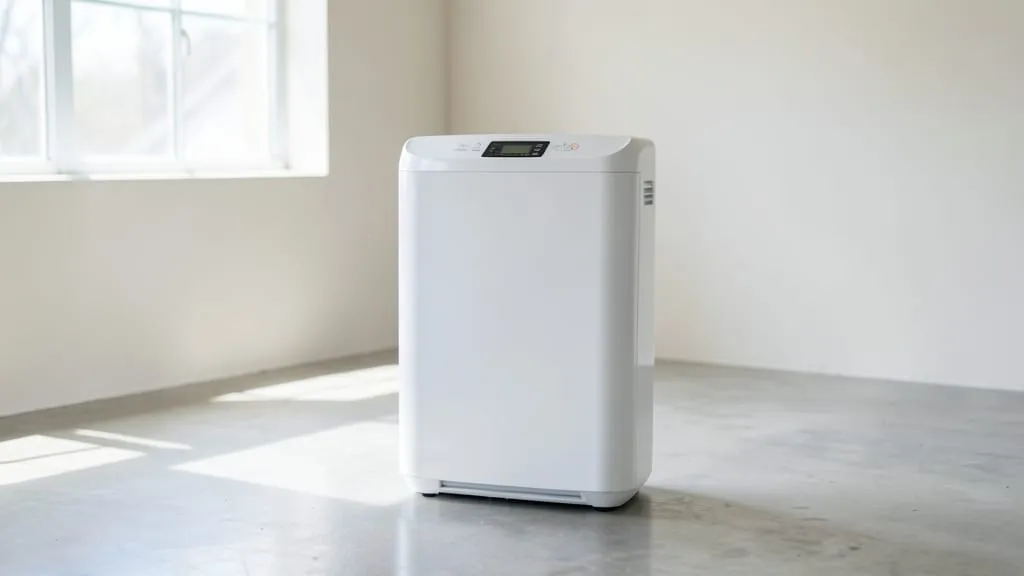
Long-term control focuses on moisture elimination. Dehumidifiers with built-in hygrostats maintain humidity below 60%. In areas like Pompano Beach or Boca Raton, whole-house dehumidifiers integrated with HVAC systems are increasingly common.
| Approach | Effectiveness | Longevity | Best For |
|---|---|---|---|
| Surface cleaning (bleach, vinegar) | Removes visible mold on non-porous surfaces | Temporary (weeks to months) | Tile, glass, metal |
| HEPA air scrubbers | Reduces airborne spores during remediation | Short-term (active use only) | Post-remediation or during cleanup |
| Dehumidifiers | Prevents regrowth by controlling humidity | Long-term (with maintenance) | Basements, crawl spaces, whole-home |
| Vapor barriers (crawl space encapsulation) | Blocks ground moisture from entering structure | Long-term (10+ years) | Crawl spaces, basements |
| Improved ventilation (attic/bathroom fans) | Expels moist air before condensation forms | Long-term (with proper sizing) | Attics, bathrooms, kitchens |
| Antimicrobial sealants | Prevents regrowth on cleaned surfaces | Moderate (1-3 years) | Drywall, wood, concrete |
The Role of HVAC Systems in Mold Prevention
HVAC systems in Coconut Creek can either prevent or exacerbate mold issues. Poorly maintained ductwork collects dust and moisture, creating a breeding ground for spores. Regular duct cleaning and UV light installation in the handler can inhibit growth.
In coastal areas like Hillsboro Beach or Lighthouse Point, salt air accelerates corrosion in metal ductwork, leading to condensation leaks. Sealing ducts with mastic (not duct tape) and insulating them prevents temperature differentials that cause sweat.
AC drip pans often clog with algae and debris, causing overflow that soaks into ceilings or walls. Flush the pan with a vinegar solution monthly during peak humidity seasons.
Water Intrusion: The Root Cause of Most Mold Problems
Roof leaks, often from damaged shingles or improperly sealed valleys, are a leading cause of attic mold. In neighborhoods like Watergate or Oakland Park, aging roofs may not withstand heavy summer storms, leading to chronic leaks.
Plumbing leaks behind walls or under sinks can go undetected for months. Thermal imaging cameras help crews locate hidden moisture without destructive testing. Pipe leaks in slab foundations, common in Coral Springs and Parkland, require specialized detection and repair.
Sewer backups and flood damage introduce Category 3 (black) water, which contains contaminants that accelerate mold growth. Immediate professional cleanup and antimicrobial treatment are critical to prevent structural and health risks.
Materials and Methods for Effective Mold Remediation
Non-porous materials like glass, metal, and sealed concrete can often be cleaned and salvaged. Porous materials such as drywall, carpet, and ceiling tiles typically require removal if mold has penetrated deeply.
Containment is critical during remediation. Plastic sheeting and negative air pressure machines prevent spores from spreading to unaffected areas. HEPA vacuums and air scrubbers capture airborne particles during cleanup.
Antimicrobial treatments, applied after cleaning, help prevent regrowth. Encapsulation with mold-resistant paint or sealants adds an extra layer of protection for surfaces like wood or drywall.
Disturbing large mold colonies (10+ sq. ft.) or suspected toxic varieties like Stachybotrys can release dangerous levels of spores. Professional remediation includes containment, PPE, and proper disposal of contaminated materials.
Preventive Measures for Year-Round Mold Resistance
Regular inspections are key. Use a moisture meter to check hidden areas like behind appliances, under sinks, and in crawl spaces. Levels above 15% in wood or 20% in drywall signal a problem.
Landscaping can impact indoor moisture. Ensure grading slopes away from the foundation to direct rainwater outward. Extend downspouts at least 5 feet from the home to prevent pooling near the base.
In multi-unit buildings like condos in Lauderdale-by-the-Sea or HOAs in Tamarac, shared walls and HVAC systems can spread mold between units. Building-wide moisture control and regular duct maintenance are essential.
Seasonal Mold Prevention Checklist
- Inspect roof and attic for leaks or condensation before summer rains
- Test and clean HVAC ducts, replacing filters every 1-3 months
- Check crawl space vapor barriers for tears or gaps
- Service dehumidifiers and empty drainage lines
- Seal gaps around windows, doors, and pipes to block humid air
- Clean and dry outdoor furniture and storage areas before hurricane season
When to Consider Professional Mold Testing and Remediation
Visible mold covering a large area, musty odors without a clear source, or health symptoms like respiratory issues or allergies warrant professional testing. Air quality tests measure spore counts and identify species, guiding the remediation plan.
Post-remediation verification ensures the work was successful. Clearance testing, including surface and air samples, confirms that spore levels are within normal ranges. This step is critical before rebuilding or repopulating a space.
Commercial properties, schools, and healthcare facilities in areas like Fort Lauderdale or Delray Beach often require documented remediation plans to meet regulatory standards. Third-party testing provides unbiased validation of the results.
How to Inspect for Hidden Mold in Your Home
Early detection can prevent costly damage and health risks from mold growth.
- 1Gather Tools
Use a flashlight, moisture meter, and a small mirror or boroscope to inspect tight spaces. A thermal imaging camera can help identify cold spots indicating moisture.
- 2Check High-Risk Areas
Focus on attics, basements, crawl spaces, behind appliances, under sinks, and around windows. Pay special attention to areas with past water damage.
- 3Look for Signs
Visible mold may appear as black, green, white, or gray patches. Other indicators include water stains, peeling paint, warped wood, or a musty odor.
- 4Test for Moisture
Use a moisture meter on walls, floors, and ceilings. Readings above 15% in wood or 20% in drywall suggest a problem. Compare readings to dry areas for reference.
- 5Document Findings
Take photos and notes of any signs of mold or moisture. This documentation helps professionals develop a targeted remediation plan.
- 6Monitor Over Time
Recheck problem areas after rain or high humidity periods. If moisture levels rise or mold reappears, the issue likely requires professional attention.
Frequently Asked Questions
How can I tell if the mold in my Coconut Creek home is toxic?
Toxic mold, like Stachybotrys (black mold), often appears dark green or black and has a slimy texture. However, visual identification isn’t reliable. Professional testing analyzes spore samples to determine the species and potential health risks. If you suspect toxic mold, avoid disturbing it and consult a remediation expert.
Will painting over mold solve the problem?
No. Painting over mold without addressing the underlying moisture issue traps spores beneath the surface, leading to continued growth and potential structural damage. Clean and dry the area thoroughly, then apply a mold-resistant primer and paint. For severe cases, removal of the affected material is necessary.
Can mold grow in my HVAC system?
Yes. Mold thrives in HVAC systems where condensation collects in ductwork, drip pans, or coils. Signs include musty odors when the system runs or visible mold around vents. Regular maintenance, including coil cleaning, duct inspection, and UV light installation, can prevent growth.
What’s the difference between mold remediation and mold removal?
Mold removal refers to the physical act of cleaning or discarding moldy materials. Remediation is a comprehensive process that includes containment, removal, cleaning, drying, and preventive measures to address the root cause of the mold. Remediation ensures the problem doesn’t return.
How does the Florida climate affect mold growth in homes?
Florida’s warm, humid climate accelerates mold growth year-round. High outdoor spore counts, frequent rain, and hurricane season increase the risk of water intrusion. Homes in Coconut Creek and nearby areas like Boca Raton or Deerfield Beach require proactive moisture control to counteract these conditions.
Is it safe to stay in a home during mold remediation?
It depends on the extent of the infestation and the remediation methods. For small, contained projects, it may be safe to stay with proper containment and air filtration. Large or toxic mold remediation often requires temporary relocation, especially for vulnerable individuals like children, the elderly, or those with respiratory conditions.